.png?width=350&height=140&name=Khant%20Nay%20Chi%20(1).png)
 By
By
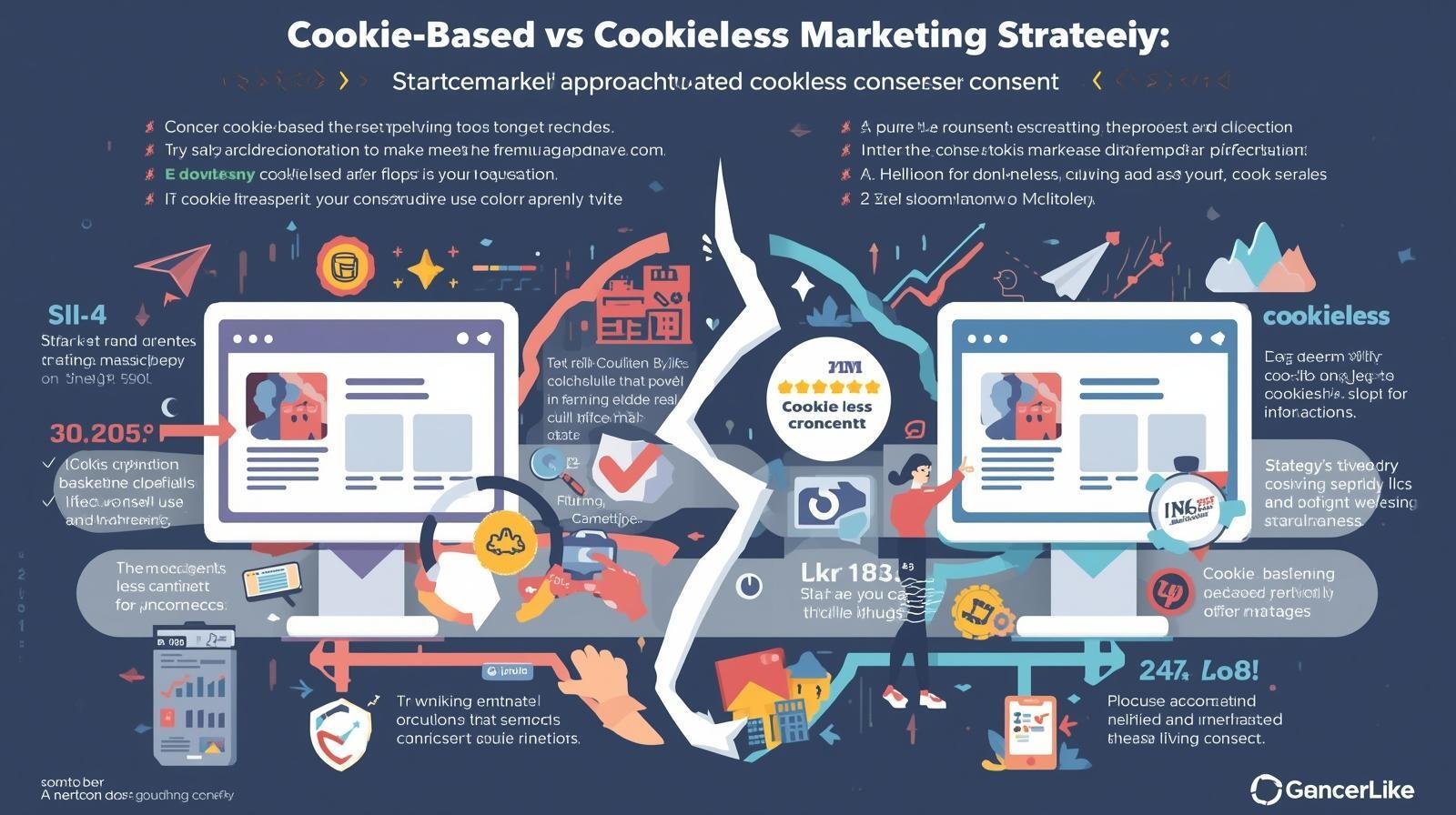
Privacy‑first digital marketing is becoming a strategic necessity as regulations tighten and consumers demand more control over their data.
Brands that treat privacy as part of the value proposition—not just a legal checkbox—are already seeing stronger trust and better long‑term performance.
Why Privacy‑First Marketing Matters Now?
Regulators around the world have expanded and enforced laws such as the GDPR in Europe and the CCPA/CPRA in California, with more updates expected through 2026.
At the same time, research shows that a large majority of consumers are increasingly concerned about how their data is collected and used, and they reward brands that are transparent and respectful.
Industry analyses indicate that third‑party cookies and opaque tracking are steadily losing effectiveness and legal viability, pushing marketers toward consented first‑party and zero‑party data models.
Reports from privacy and martech providers argue that privacy‑first marketing is not just about avoiding fines; it is about building resilient, direct relationships with customers in a cookieless world.
Key Concepts: First‑Party, Zero‑Party, and Cookieless
Privacy‑first strategies rely on data that customers knowingly and willingly share, rather than on shadowy third‑party sources.
-
First‑party data: Information collected directly from your own channels, such as website analytics, purchase history, loyalty data, and support interactions, usually with consent.salesforce+1
-
Zero‑party data: Information that customers proactively provide—preferences, interests, and intentions—via forms, quizzes, surveys, or profile settings.
-
Cookieless marketing: Approaches that minimize or eliminate reliance on third‑party cookies, using first‑party and contextual signals instead.
Privacy guides emphasize that these data types are more compliant and often higher quality than many third‑party datasets because they are closer to the source and tied to a direct relationship.
Visual: Shift in Data Strategy by 2026
Recent trend reports and consulting analyses suggest that a large proportion of high‑growth companies are moving budgets from third‑party data toward first‑party and zero‑party assets.
-
A Deloitte‑cited study notes that more than 80% of high‑growth firms have already shifted to first‑party strategies as cookies deprecate.
-
Privacy vendors report increasing adoption of consent management platforms (CMPs) and cookieless analytics to meet evolving regulations.
This shift supports both compliance and long‑term targeting effectiveness.
Table: Old vs New Data Approaches
The Regulatory Landscape: GDPR, CCPA, and Beyond
Legal and practitioner sources stress that privacy‑first marketing starts with understanding which laws apply and how they affect data practices.
Key principles across major regulations include:
-
Lawful basis and consent: Personal data must be collected on a clear legal basis, often explicit consent for marketing, with easy opt‑out options.
-
Transparency: Privacy notices must explain what data is collected, why, how long it is stored, and who it is shared with.
-
Data minimization and purpose limitation: Collect only what is needed for specific, stated purposes, and avoid reusing data in unexpected ways.
-
User rights: People can request access, correction, deletion, and limitations on processing.
Reports on upcoming trends mention that AI‑related regulations (such as the EU AI Act) are increasingly intersecting with privacy, pushing organizations to think about automated decisions and profiling as part of their compliance strategy.
Balancing Personalization and Privacy
A core tension in modern marketing is the “personalization–privacy paradox”: consumers enjoy relevant, tailored experiences but also fear over‑monitoring and misuse of their data.
Academic work and practitioner guides show that when personalization crosses into perceived intrusion—such as using sensitive or inferred attributes without consent—it can backfire.
Research on AI‑enabled personalization suggests that trust, transparency, and perceived fairness significantly influence willingness to share data and engage with personalized campaigns.
Practical guides recommend combining privacy‑by‑design principles with privacy‑preserving technologies like federated learning and differential privacy so that marketers can still learn from data without exposing individuals.
Visual: Privacy‑First Personalization Sweet Spot
Guides on ethical AI marketing describe an ideal “sweet spot” where personalization is high enough to be useful, but data use remains transparent, consensual, and limited to non‑sensitive signals.
-
Too little personalization: Experiences feel generic and irrelevant, reducing engagement.
-
Too much personalization: Experiences feel creepy or manipulative, increasing privacy concerns and opt‑outs.
-
Balanced, privacy‑first personalization: Users see clear value and maintain trust while enjoying tailored content and offers.
Hitting this balance requires both technical and policy decisions, not just creative tweaks.
Practical Components of a Privacy‑First Stack
A modern privacy‑first marketing stack typically includes several key elements.
-
Consent management platform (CMP) to collect, store, and enforce consent across tags and tools.
-
First‑party analytics and server‑side tracking that minimize reliance on third‑party cookies.
-
Customer data platform (CDP) or data layer to unify consented data from multiple touchpoints.
-
Preference centers where users can control communication channels, topics, and personalization levels.
Guides emphasize that these tools must be configured to reflect legal requirements and brand promises, rather than treating privacy banners as a purely cosmetic layer.
Example Visual: Simple Privacy‑First Data Flow
A typical privacy‑first flow looks like this:
-
User lands on site, sees a clear, granular consent banner.
-
CMP records consent choices and passes signals to analytics, ad, and personalization tools.
-
Only permitted tags fire; data is stored in a secure, documented location.
-
CDP builds or updates profiles using consented interactions and declared preferences.
-
Marketing tools use this data to personalize within agreed boundaries, with options for users to adjust or revoke consent later.
This structure supports both compliance and a better customer experience.
Strategies for Cookieless Advertising
Cookieless advertising focuses on reaching audiences without invasive tracking, often combining first‑party data with contextual and privacy‑preserving techniques.
Common tactics include:
-
Contextual targeting: Placing ads based on page or app content rather than individual histories.
-
First‑party audiences: Using consented CRM, loyalty, and site visitor data to build custom and lookalike audiences on major platforms.
-
Clean rooms and secure matching: Collaborating with partners through privacy‑safe environments that match audiences without exposing raw personal data.
Reports highlight that these strategies can maintain or even improve performance when combined with strong creative and measurement frameworks.
Table: Privacy‑First Tactics by Channel
Governance, Culture, and Training
Privacy‑first marketing is not only a technical or legal issue; it is also about organizational culture.
Commentary from privacy experts and management scholars stresses that marketing, legal, IT, and data teams must collaborate closely.
Key governance practices include:
-
Data mapping and regular audits of what is collected, where it flows, and why.
-
Clear roles and accountability for privacy decisions and incident response.
-
Training marketers on basic privacy concepts, consent language, and the limits of personalization.
Surveys of executives show growing recognition that ethical AI and strong data protection will be crucial to maintaining customer trust over the next few years.
Action Plan: Moving Toward Privacy‑First in 2026
Guides aimed at practitioners propose phased action plans for becoming privacy‑first while keeping marketing effective.
-
Assess and audit
-
Identify which privacy laws apply based on where you operate and where users are located.
-
Inventory all data collection points, tags, vendors, and purposes.
-
-
Redesign consent and notices
-
Strengthen first‑party and zero‑party data
-
Incentivize account creation, newsletter signup, and loyalty enrollment with meaningful value.
-
Use surveys, quizzes, and preference centers to gather declared data over time.
-
-
Adjust targeting and measurement
-
Shift budgets toward tactics that work with first‑party and contextual data.
-
Adopt privacy‑aligned analytics and attribution approaches that rely on aggregated or modeled data.
-
-
Embed privacy in personalization
-
Set clear limits on sensitive attributes and refine personalization rules to avoid overreach.
-
Explore privacy‑preserving AI techniques when building advanced models.
-
Using Visuals and Imagery in a Privacy‑First Story
To make a blog on privacy‑first digital marketing more engaging and accessible, visuals can play a major role:
-
Flow diagrams showing how consented data moves through your stack.
-
Before/after charts illustrating the shift from third‑party cookies to first‑party strategies.
-
Tables (like those above) summarizing tactics, laws, or channel‑specific approaches.
-
Illustrative images that evoke trust, control, and transparency—such as dashboards, lock icons, or human‑centric scenes—without implying specific legal advice.
These visuals help readers grasp abstract concepts like data flows, consent, and privacy‑preserving advertising more quickly.
Looking Ahead: Privacy as a Competitive Advantage
Emerging commentary frames privacy‑first marketing as a long‑term advantage rather than a constraint.
Analysts predict that by 2026, a large share of global marketers will have rebuilt their strategies around privacy‑centric data models.
Those who move early are likely to benefit from better data quality, more stable performance, and stronger customer relationships.
In the end, privacy‑first digital marketing is about aligning what is legal, what is technically possible, and what is ethically right.
Brands that collect less but use it better—openly, fairly, and with clear value for users—will be best positioned to thrive in an AI‑driven, highly regulated marketing landscape.