.png?width=350&height=140&name=Khant%20Nay%20Chi%20(1).png)
 By
By
Myanmar consumers do not think like a textbook case from the West; they think like people who grew up in tight communities, in a high‑risk environment, and in a mobile‑first but still very traditional society.
For anyone in Myanmar who wants to do marketing—students, aspiring marketers, small business owners—understanding this psychology is the difference between “posting content” and creating campaigns that actually change behavior.
If you are from Myanmar and want to work in marketing, you already have one big advantage: you know the culture, the language, and the daily reality.
But to turn that into real marketing power, you need to understand how people here really think when they see an ad, talk to a shop owner, or decide whether to trust an online seller.
This blog is for Myanmar people who want to become better marketers—university students, junior agency staff, SME owners, and side‑hustle sellers.
It will explain what Myanmar consumer psychology is, why it matters for your future in marketing, how to apply these insights step by step, and what mistakes to avoid when building campaigns and businesses.
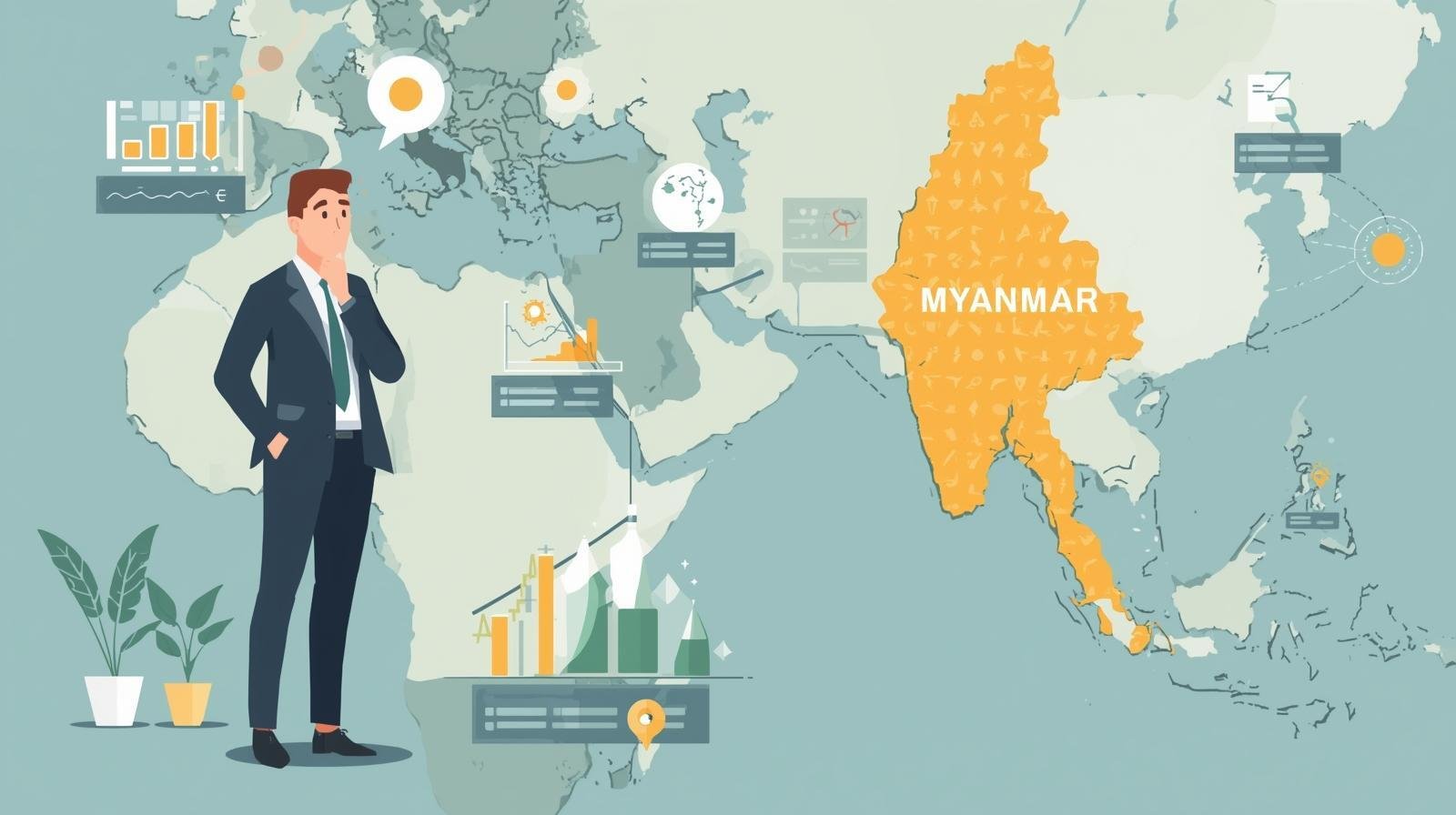
What is about the topic?
The topic is “how Myanmar consumers really think” when they make buying decisions—and how you can use that knowledge in your marketing.
Instead of just looking at age, income, or gender, this focuses on what goes on inside people’s minds: what they fear, what they trust, who they listen to, what they dream about, and how culture shapes all of this.
Think of it like this: the visible action (buying from a Facebook page, asking a friend, switching to a new brand) is only the last step.
Underneath are hidden drivers like “I do not want to be cheated,” “my family must approve,” “I want to look modern,” or “this shop owner has never lied to me.”
Your job as a marketer is to understand these hidden drivers and design your product, message, and channel around them.
For someone in Myanmar who wants to do marketing, this matters because your campaigns will compete not just on price or design, but on trust, respect, community, and risk.
If you ignore these, even a big budget cannot save your work. If you understand them and use them wisely, even a small budget can win.
Why this topic matters for Myanmar marketers?
Helps you build real careers, not just “content skills”
Many people in Myanmar think marketing is only about making posts, boosting ads, or designing logos.
In reality, the marketers who get promoted and trusted are those who can explain consumer behavior clearly: who buys, why they buy, and what will change their minds.
If you are a student or junior marketer, being able to talk about “family influence,” “risk avoidance,” “word‑of‑mouth,” or “online trust” in the Myanmar context will make your ideas sound more strategic.
Managers and clients are more likely to believe your recommendations when they see you understand the people, not just the platforms.
Makes your campaigns more effective and less risky
When you truly understand how Myanmar consumers think, you:
-
Choose better messages (e.g., “safe for your family” instead of only “cheap price”)
-
Pick the right channels (e.g., shop owners and micro‑influencers, not only big celebrities)
-
Plan more realistic customer journeys (e.g., see on Facebook, confirm with friends, then buy in shop)
This reduces wasted budget and protects your brand from tone‑deaf campaigns that clash with local values or ignore trust issues.
Aligns with real Myanmar challenges
Myanmar is not a fully stable, high‑trust environment. There is economic pressure, political uncertainty, and fear of scams, especially online. People are careful with money and extremely sensitive to anything that feels risky or “fake.”
As a marketer in Myanmar, you are not just selling; you are constantly answering the silent questions in the consumer’s mind:
-
“Is this real?”
-
“Will this last?”
-
“Who else uses this?”
-
“What will my family think?”
If your marketing does not answer these questions clearly, people will not move.
How Myanmar consumers really think? (and what it means for your marketing)
1. Community first, individual second
Myanmar culture is collectivist. People often think in terms of “we” (family, neighborhood, workplace) rather than “I.” Big decisions are usually discussed with family members or elders, and even small decisions can be influenced by friends and colleagues.
For your marketing:
-
Show products used by families, not only individuals
-
Use stories of helping parents, children, or community—not just self‑expression
-
Create referral or group deals that reward people for bringing others
2. Trust > everything else
Because of past experiences with low‑quality products and scams, trust is the first filter.
People will often choose a trusted brand, shop, or seller even if the price is higher.
They also trust informal sources (friends, shop owners, micro‑influencers) more than formal ads.
For your marketing:
-
Always show proof: reviews, testimonials, screenshots of happy customers, before/after photos (ethically used)
-
Let others speak for you: micro‑influencers, loyal customers, doctors or professionals, respected community members
-
Make your guarantees clear: return policies, warranties, “pay on delivery,” or “inspect before paying”
3. Strong risk avoidance and long‑term thinking
Many consumers in Myanmar see big purchases as long‑term commitments.
They want products that last and do not cause trouble.
The cost of making a mistake feels very high, especially in a low‑trust, low‑safety‑net environment.
For your marketing:
-
Emphasize durability, safety, and long‑term value
-
Avoid over‑promising; instead, explain clearly what your product can do, and what it cannot
-
Use simple language around safety and reliability (“no harmful chemicals,” “strong warranty,” “tested quality”) and back it up with some kind of proof
4. Love of familiarity, curiosity for “modern” brands
People in Myanmar feel comfortable with familiar local brands, shops, and routines.
At the same time, especially in cities and among youth, there is curiosity for foreign, “modern,” or trendy brands from Korea, Japan, or the West.
For your marketing:
-
If you are a local brand, do not try too hard to look foreign; use your local roots as a strength, show how you understand local taste and life
-
If you are a foreign‑positioned brand, be aspirational but not arrogant: show how your product fits Myanmar lifestyles instead of replacing them
-
Use “bridge” elements: local influencers using foreign‑style products, local language content explaining global trends, etc.
5. Channel psychology: shops, modern trade, and social media
Different channels have different meanings in people’s minds:
-
Traditional shops and markets = community, habit, and trust
-
Modern trade (supermarkets, showrooms) = quality, authenticity, and “modern life”
-
Social media = convenience, trends, speed, but also risk
For your marketing:
-
Use social media for discovery and relationship building, but give people the comfort of an offline option where possible
-
For high‑risk categories (health, electronics, high price), connect your online presence to a strong offline sign: a known shop, clinic, or showroom
-
For daily or impulse items, focus on being visible in small shops and then supporting that with digital reminders
How to use this psychology in your own marketing
Step 1: Define your consumer’s “inner profile”
Instead of stopping at “female, 25, Yangon,” add a mental profile:
-
Who do they ask before buying? (mother, friend, boss, Facebook group)
-
What are they afraid of? (wasting money, getting fake items, being judged)
-
What do they want to show others? (being caring, being smart, being trendy, being successful)
Take 10–20 people from your real or target audience and ask them these questions. Summarize the answers and let them guide your campaign decisions.
Step 2: Design messages that speak to trust and community
Turn generic benefits into messages that match Myanmar thinking:
-
Instead of “Fast delivery,” say something like “Fast, safe delivery you can check before paying.”
-
Instead of “High quality,” show a story: a product that still works after years, or a family that uses it every day.
-
Instead of “New style,” connect it to social context: “Look modern and neat for office, family events, and social gatherings.”
Whenever possible, show who else is using it: families, neighbors, office workers, students, or respected professionals.
Step 3: Build social proof into your strategy
From the beginning, plan how you will collect and use proof:
-
Ask early customers to leave simple reviews (text, voice note, or photo)
-
Feature real customers in your posts and ads (with permission)
-
Encourage sharing: discounts for posting about their experience, contests that reward stories, or referral bonuses
If you are a student or junior marketer, practice this by designing campaign ideas that always include a review or referral mechanic, not just an awareness ad.
Step 4: Use the right mix of offline and online
For Myanmar, pure online is difficult for many categories. Try this pattern:
-
Online: awareness and interest (short videos, carousels, live streams)
-
Offline: trust and experience (shop visits, sampling, events, shopkeeper recommendations)
-
Online again: reminders, retargeting, and after‑sales support
If you only have digital channels, compensate by:
-
Showing many angles of the product
-
Providing detailed information in simple language
-
Being extremely responsive on Messenger/Viber and solving problems quickly
Step 5: Respect different age groups and exposure levels
Younger audiences:
-
Use TikTok‑style content, short vertical videos, and memes (but stay culturally respectful)
-
Collaborate with relatable micro‑influencers, not only celebrities
-
Make the path to purchase very simple (DM to order, clear CTA buttons, COD options)
Older or more traditional audiences:
-
Use clearer explanations and less slang
-
Highlight safety, health, family benefits, and practicality
-
Use more trusted channels: TV, radio, print, community events, or partnership with local shops and clinics
Common mistakes Myanmar marketers should avoid
-
Thinking “more boosts” = better marketing
Spending money to boost a weak, irrelevant message will not fix it. The problem is usually not reach; it is that the message does not match how people think. -
Copying foreign style without local sense
Copying a Thai, Korean, or Western ad exactly can feel fake or even disrespectful. Adapt the idea using local faces, local circumstances, and local ways of speaking. -
Ignoring customer service and after‑sales
In a low‑trust market, what happens after the purchase is as important as the ad. Slow replies, broken promises, or rude responses will kill your word‑of‑mouth. -
Over‑focusing on discount and under‑focusing on value
Price promotions are tempting, but if you always shout “cheap,” people may assume low quality. Balance promotions with strong communication about quality and safety.
Tips
-
Observe real life, not only dashboards
Sit in tea shops, visit markets, watch how people talk about products, and listen to shop owners. These insights are gold for your assignments and campaigns. -
Practice explaining behavior in simple words
In your reports or presentations, try to write: “They do X because they feel Y and they are afraid of Z.” This trains you to connect behavior with psychology. -
Document your insights
Keep a personal “Myanmar consumer notebook” where you write down patterns you notice—how your relatives choose products, how colleagues talk about brands, what kind of posts friends share about purchases.
For Myanmar people who want to do marketing, the real skill is not just knowing platforms but understanding people.
Once you see how consumers around you truly think, every campaign you design will feel more natural, more respectful—and much more effective.
.png)

