.png?width=350&height=140&name=Khant%20Nay%20Chi%20(1).png)
 By
By
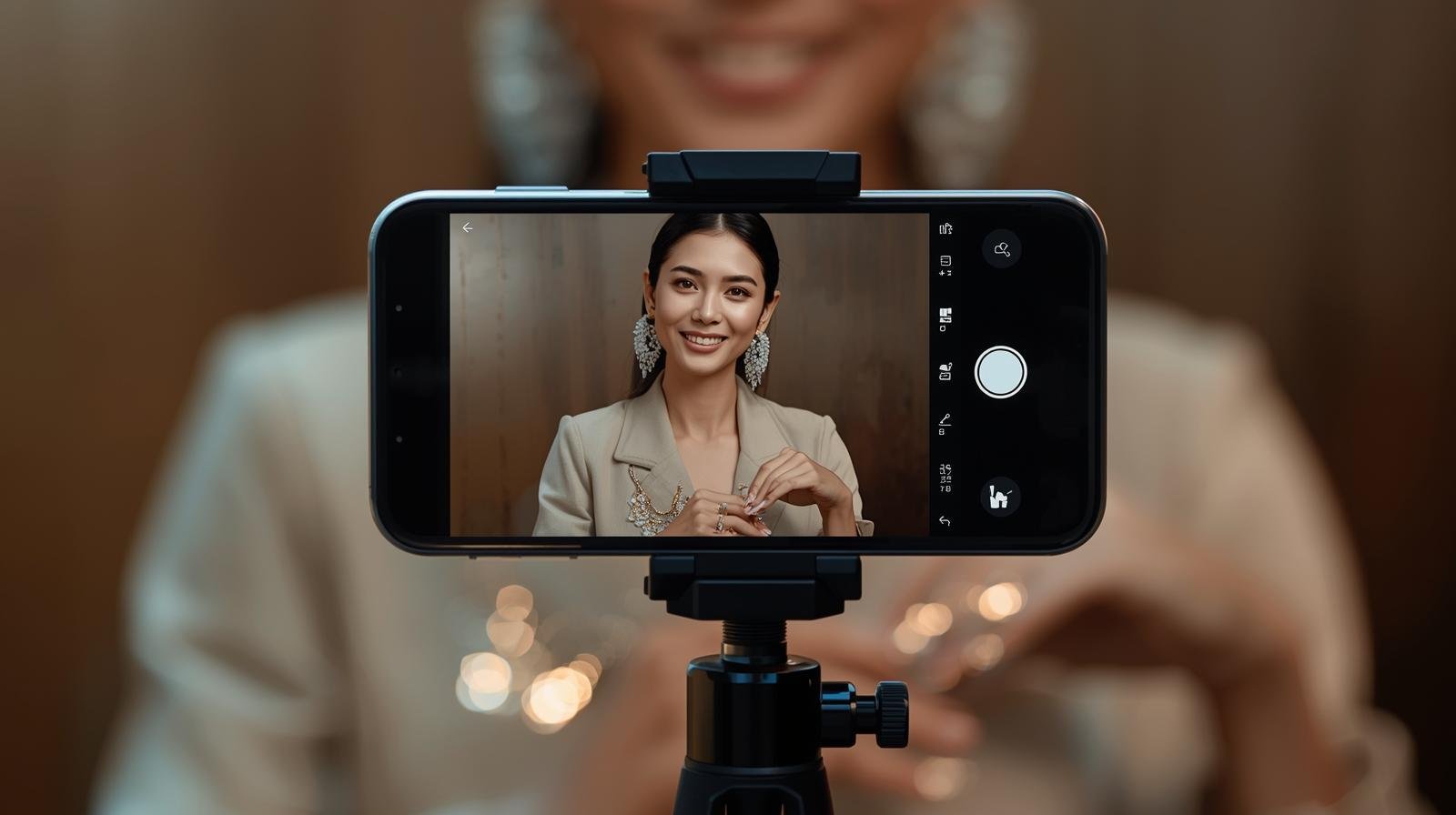
Social media and creator marketing in 2026 revolve around three big shifts: short‑form video as the default format, creators as long‑term strategic partners, and AI as the invisible engine powering content, targeting, and measurement.
Brands that treat social not as a megaphone but as a place to build communities with creators and smart tools are seeing stronger engagement and more efficient spend.
The 2026 Social Media Landscape
Digital and social usage keep growing globally, with people spending hours per day in vertical, video‑first feeds on platforms like TikTok, Instagram, YouTube, and emerging short‑video apps.
Reports on short‑form video show that these formats now dominate impressions and engagement across major networks, making them essential even for B2B brands.
At the same time, the creator economy is maturing into a multi‑billion‑dollar ecosystem where individual creators, small studios, and niche communities wield real influence.
Marketers increasingly view creators not as one‑off “influencer placements” but as partners in strategy, storytelling, and community building.
Visual: Big Forces Shaping Social & Creator Marketing
Recent reports highlight a set of converging forces:
-
Short‑form video leads reach and engagement across platforms.
-
Creator marketing budgets and direct partnerships keep rising year over year.
-
AI tools are embedded into content ideation, production, and optimization for most social teams.
These trends define where attention, money, and innovation are going in 2026.
Short‑Form Video and Social Commerce
Data from large‑scale analyses of short‑form content show that vertical videos on platforms like TikTok, Reels, and Shorts generate significantly higher engagement rates than static posts.
Reports describe users moving seamlessly from discovery to purchase inside social apps, with social commerce features—product tags, in‑feed checkout, and live shopping—removing friction from the buying journey.
Short‑form video works across the funnel:
-
Awareness: Trend‑aligned clips introduce brands in seconds.
-
Consideration: Side‑by‑side comparisons and quick demos answer key questions.
-
Conversion: Clear calls‑to‑action and product tags enable purchases directly in the feed.
Industry guidance emphasizes that the first few seconds of each video are critical, with strong hooks and visual cues needed to stop the scroll.
Table: Core Social Formats in 2026
Successful brands mix these formats into coherent narratives rather than chasing every trend individually.
The Creator Economy in 2026
Analysts project continued growth in the creator economy, with billions flowing into direct creator partnerships and user‑generated content (UGC) collaborations.
Reports note that marketers plan to increase creator spending, particularly in live content and platforms that support integrated commerce.
Key trends include:
-
Shift from one‑off influencer posts to longer‑term, always‑on partnerships with creators whose values and communities align with the brand.
-
More investment in micro‑ and mid‑tier creators with highly engaged niche audiences, rather than only mega‑influencers.
-
Creators involved earlier in campaign design, not just execution, bringing audience insight into strategy.
Insights from events like Cannes Lions and creator economy studies highlight that “depth over breadth” is the new mantra: smaller but highly engaged communities can outperform large but passive audiences.
Visual: Platform Focus for Creator Marketing
Surveys of brands and agencies show where creator marketing budgets are heading for 2026:
-
TikTok: expected to remain the top platform for creator campaigns, selected by roughly a quarter of brands and agencies.
-
Instagram: close second, especially for Reels, Stories, and integrated shopping.
-
YouTube: strong for long‑form, search‑driven content and monetization.
-
Facebook: still relevant for certain demographics and community‑centric groups.
This multi‑platform mix underscores the need for cross‑platform storytelling and consistent creator relationships.
AI as the Social Media Co‑Pilot
AI tools have moved from optional extras to everyday infrastructure in social media marketing.
Reports and surveys show that a majority of social media marketers now embed AI into their workflows for content ideation, scheduling, optimization, and analytics.
Many marketers also report that AI‑assisted content can outperform manually produced variants in key engagement metrics.
Common AI use cases include:
-
Brainstorming content ideas and hooks aligned with audience interests and trending topics.
-
Drafting captions, scripts, and post variations that humans then refine.
-
Automating scheduling and testing best times, formats, and thumbnail variations.
-
Analyzing performance data to identify winning themes and creator collaborations.
Statistics indicate that around 60% of marketers now use AI tools daily and that most plan to further increase usage, especially in influencer and creator campaign optimization.
Table: Where AI Adds Value in Social & Creator Work
| Area | AI contributions | Human role |
|---|---|---|
| Ideation & planning | Topic suggestions, trend analysis, content calendars. | Choosing strategic themes, ensuring fit with brand and audience. |
| Content creation | Draft captions, scripts, video cut suggestions. | Voice, tone, storytelling, and authenticity checks. |
| Scheduling & publishing | Optimal timing, multi‑platform scheduling. | Prioritizing campaigns, approvals, and community considerations. |
| Performance analysis | Pattern detection, cohort analysis, ROI attribution. | Interpreting findings, making strategic pivots. |
| Influencer campaigns | Creator identification, fraud detection, performance prediction. | Relationship building, briefs, creative direction. |
The strongest outcomes come when AI handles repetitive or analytical tasks, freeing humans to focus on narrative, relationships, and ethics.
Authenticity and “Unpolished” Storytelling
Trend reports consistently emphasize that audiences in 2026 favor content that feels real, imperfect, and grounded in lived experience.
Highly polished, obviously scripted brand content often underperforms creator‑led, lo‑fi formats that feel like they come from peers rather than corporations.
Key characteristics of high‑performing content include:
-
Relatable scenarios and language that mirror audience culture.
-
Behind‑the‑scenes glimpses of people, processes, and decision‑making.
-
Story arcs that show learning, challenges, and outcomes instead of static product claims.
Insights from creator economy studies underscore that creators who maintain a consistent “character” or persona—rather than switching styles constantly—tend to build stronger parasocial relationships and community loyalty.
Community‑First, Not Just Audience‑First
Another major shift is from audience building to community building. Creators and brands are experimenting with formats that enable two‑way interaction, collaboration, and co‑creation.
Examples include:
-
Live Q&A sessions, workshops, and live shopping events where the chat shapes the content.
-
Discord, Telegram, Facebook Groups, or private communities tied to creators or brands.
-
Co‑created products, limited drops, and UGC campaigns where community members contribute ideas and content.
Research and case studies indicate that engaged communities often deliver higher repeat purchase rates and more organic advocacy than broader, less engaged audiences.
Table: Creator Collaboration Models
Trend analyses suggest that brands will increasingly shift budgets from sporadic, transactional deals toward models that emphasize collaboration and shared ownership.
Measurement: Beyond Vanity Metrics
As social features and AI‑powered distribution evolve, metrics like views and follower counts are less reliable indicators of business impact.
Reports on creator and social performance recommend focusing more on quality of engagement, community health, and downstream conversions.
Useful metrics in 2026 include:
-
Engagement rate quality: comments, shares, and saves versus passive likes.
-
Community metrics: retention in groups, participation in live events, repeat viewers.
-
Creator‑driven revenue: tracked via codes, links, or advanced attribution tools.
-
Brand lift: changes in awareness, consideration, and sentiment measured through surveys and social listening.
AI‑enhanced analytics help attribute conversions to creator content more accurately and can forecast likely outcomes of new collaborations based on historical patterns.
Visual & Image Ideas for This Blog
To make a blog about social and creator marketing in 2026 more compelling, consider visuals such as:
-
A bar or donut chart showing the share of social budgets allocated to creator campaigns versus traditional ads.
-
A line graph illustrating the growth of short‑form video views or creator economy spending over recent years.
-
A table (like those above) summarizing format strengths, AI use cases, or collaboration models.
-
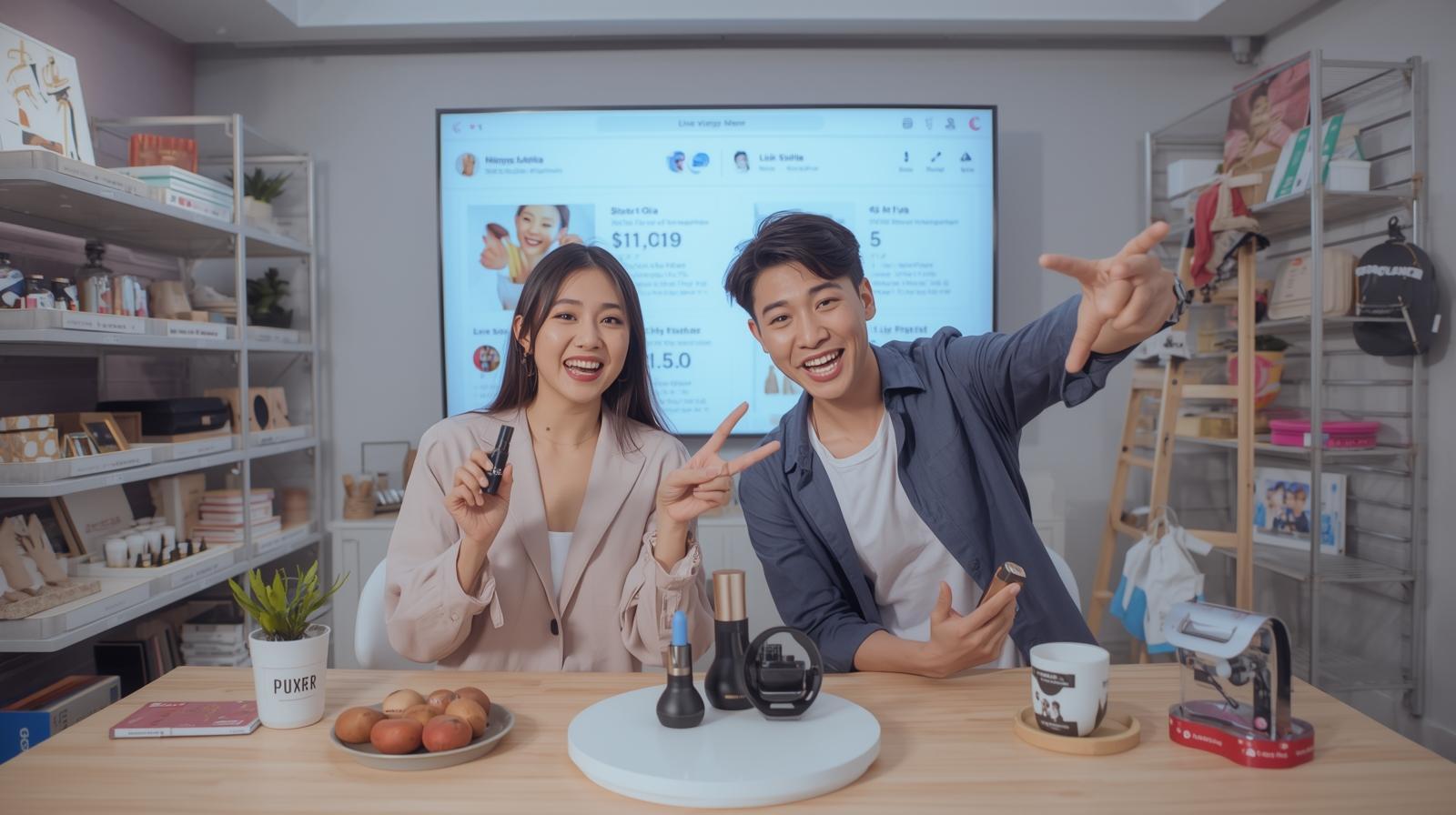
Illustrative images of creators filming content, live shopping sessions, and communities interacting in chats or comment threads, avoiding copyrighted screenshots and using original or licensed imagery.
These elements help readers quickly grasp how formats, tools, and partnerships fit together in the 2026 landscape.
Practical Playbook for Brands in 2026
Bringing the trends together, reports and expert guidance suggest a few clear steps for marketers.
-
Double down on short‑form video
Design a consistent cadence of vertical videos across key platforms with strong hooks, clear storytelling, and integrated shopping where relevant.
-
Build a creator portfolio, not one‑off deals
Identify creators who genuinely align with your brand and audience, and invest in multi‑month or multi‑campaign relationships. Treat them as creative partners, not just ad slots. -
Let AI handle the busywork, not the voice
Use AI to ideate topics, draft initial copy, optimize schedules, and analyze performance, but keep humans responsible for brand voice, guardrails, and relationship management. -
Prioritize community over pure reach
Lean into live formats, groups, and co‑creation programs that reward active participation, even if total reach is smaller. -
Align metrics with business outcomes
Shift dashboards toward revenue, retention, and brand lift, with granular creator‑level attribution where possible.
Brands that combine creator‑led storytelling, AI‑assisted execution, and a clear focus on community and authenticity are best positioned to thrive in social and creator marketing in 2026.

.png)